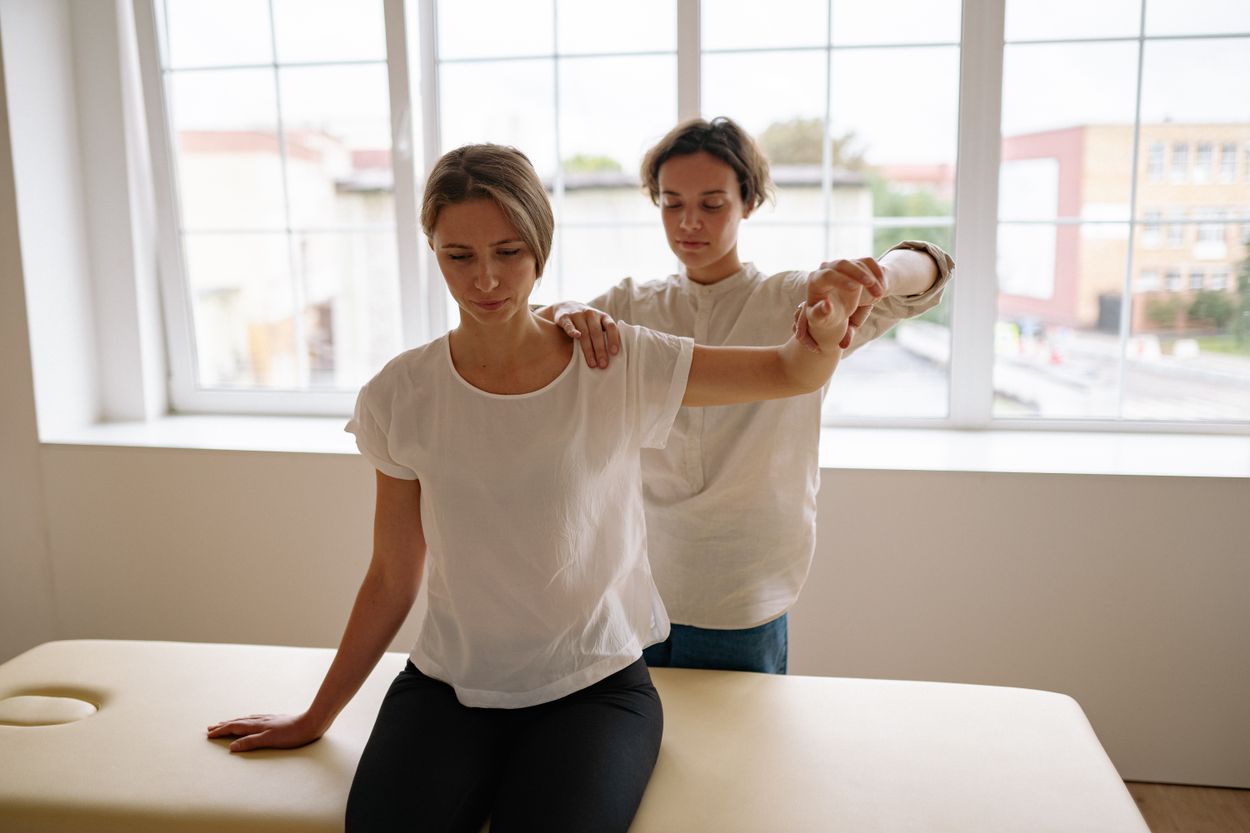

Assisted versus active mobility
An assisted stretch involves a person guiding your body through a range of motion, whereas mobility training often includes controlled active movement. Neither format automatically treats an injury.
Which type of provider should you choose?
A studio may offer general flexibility or posture-focused sessions. For persistent pain, neurological symptoms or post-surgical limitations, seek an appropriate licensed clinician and confirm what assessment is provided.
What to ask before paying
Check whether appointments are one-to-one or group, what exercises are taught for home, what is included in the time slot and whether the provider adjusts intensity to your comfort.
How to compare claims
A one-off stretching session may feel pleasant or temporarily change range of motion; it should not be sold as guaranteed joint realignment or permanent injury prevention.
Use this guide for planning, not diagnosis. If a service involves substantial heat, cold, pressure or medical procedures, ask a suitably qualified clinician about your personal risks.
Quick questions, clear answers
Can assisted stretching replace exercise?
It may complement a movement programme but does not replace strength, balance or activity tailored to your goals.
Is stretching safe with back pain?
It depends on the cause and symptoms; obtain medical advice for persistent, worsening or neurological signs.
Can Pilates be a mobility option?
Yes, depending on the class and instructor, but it is a different format from hands-on assisted stretching.