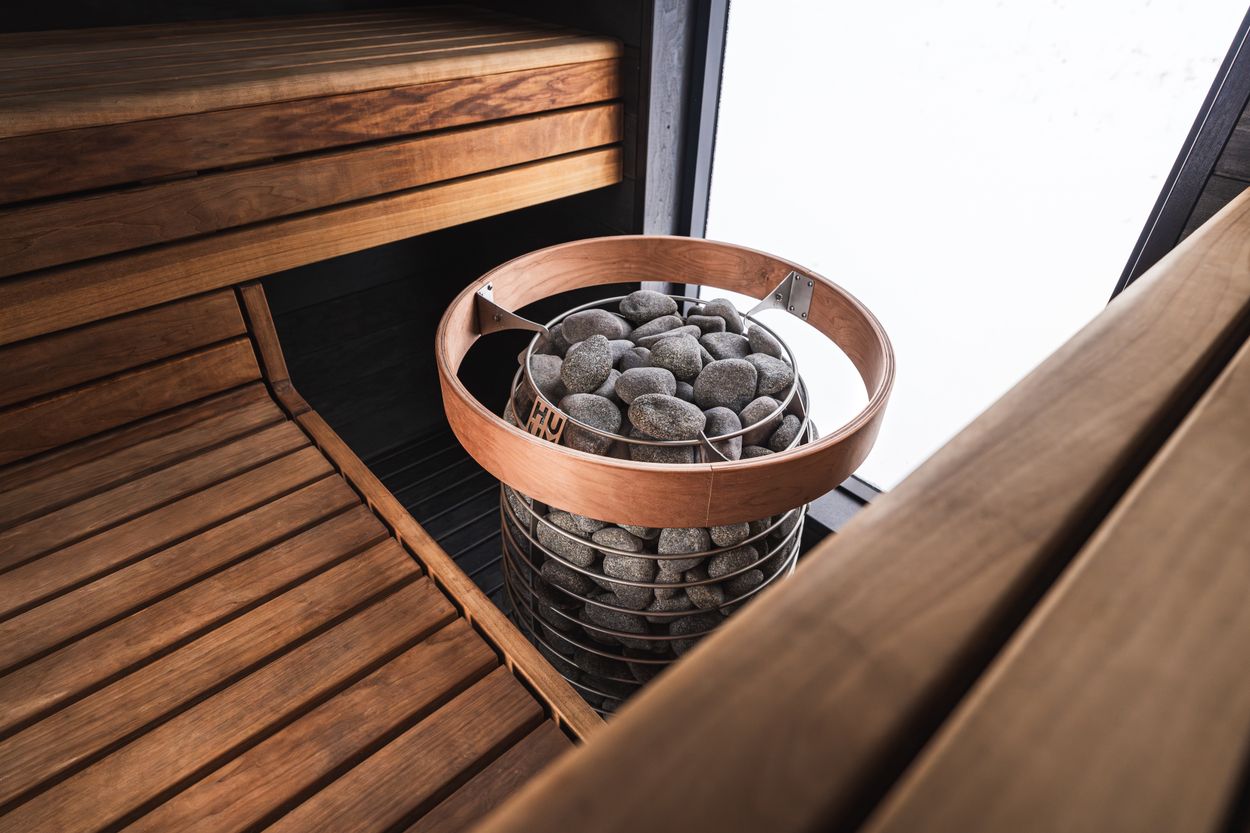
Dry heat and humid heat can feel very different. Here is how to choose.
Heat and humidity
A traditional sauna generally uses dry air while a steam room is highly humid. They differ in the way heat feels and in how easily your body cools itself.
What to compare
Ask for temperature range, humidity, cleaning standards, session length, towels, showers, ventilation and how many other people use the space.
Who should use caution
Heat stress, dizziness and dehydration are possible. Individuals with medical conditions, pregnancy or medications affecting heat tolerance should seek medical advice before using intense heat.
What about contrast therapy?
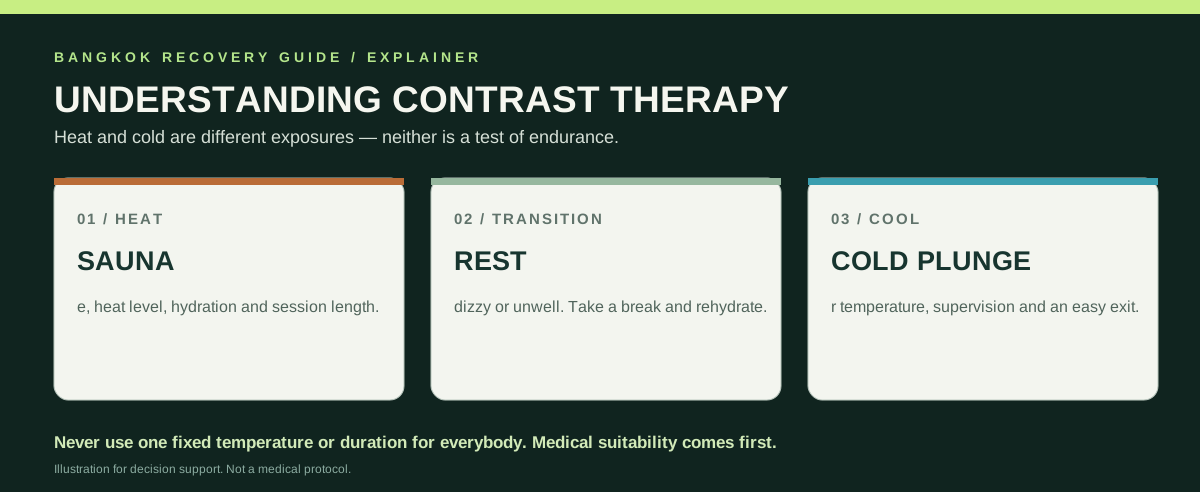
Moving between heat and cold is a separate experience from either sauna or steam alone. Compare whether a cold plunge is actually included rather than assume a venue’s sauna ticket covers the whole circuit.
Where to check the evidence
We do not provide medical treatment, diagnose conditions or certify a provider. Verify equipment, eligibility and clinical evidence with the operator or a qualified practitioner.