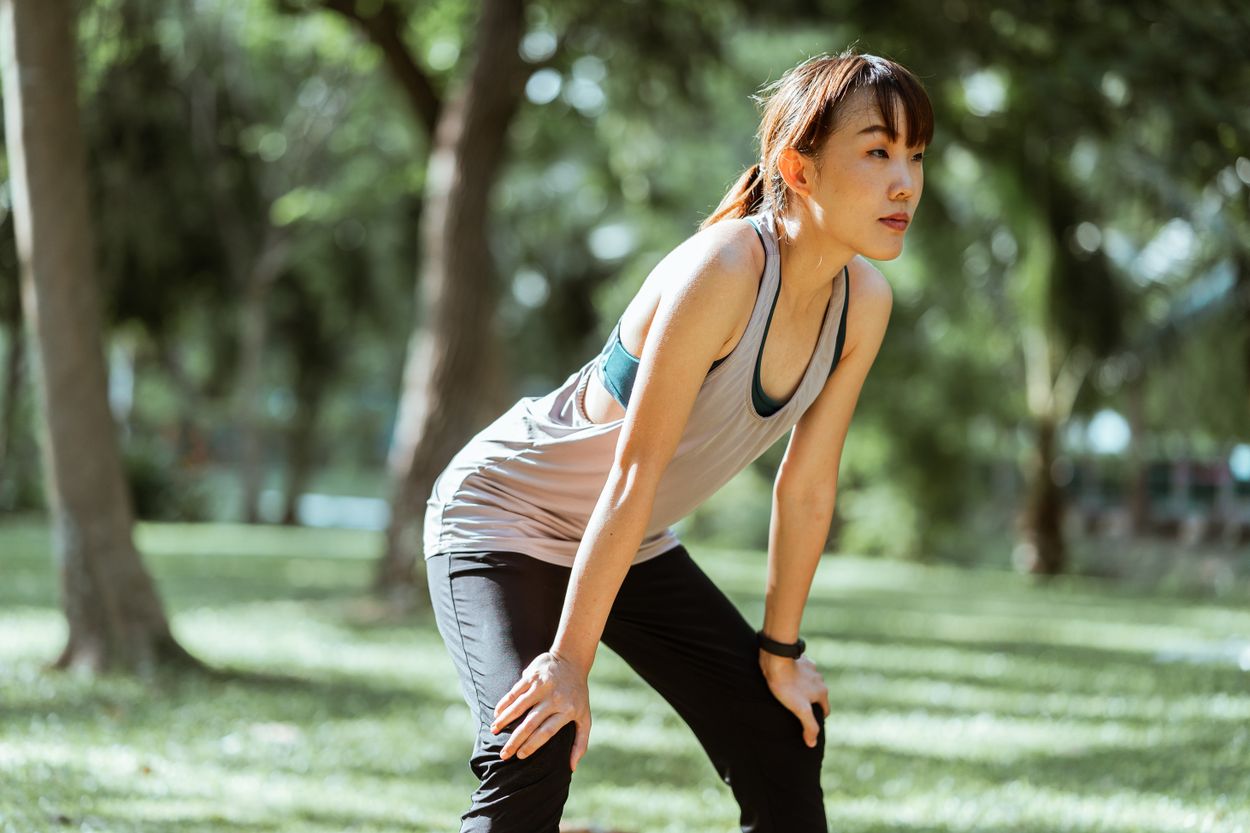
Turning 40 does not create a universal need for ice baths, HBOT or a weekly recovery package. Your current training history, health, sleep and responsibilities tell you more about your needs than an age-based marketing label.
Start with what changed
If recovery feels harder, look at the context. Have you restarted training after a break, added harder sessions, reduced sleep or increased work stress? Those changes deserve attention before you assume that age is the only explanation.
Keep a simple record of training, sleep and symptoms. It can reveal a pattern such as repeated hard sessions after short nights, or pain linked to one movement.
Match the programme to your life
A sustainable schedule leaves enough time for food, rest and ordinary responsibilities. Four well-managed sessions may serve you better than a larger plan you can only maintain by feeling exhausted.
Discuss progression with a qualified coach when needed. If an old injury keeps changing how you move, seek assessment instead of repeatedly buying temporary relief.
Do paid treatments have a role?
They can be optional tools for comfort or enjoyment. They do not become necessary because a package is labelled “40+,” “anti-ageing” or “longevity.”
Ask what specific benefit is being claimed and how it will be assessed. For hyperbaric offers, read the recovery and longevity evidence guide. Do not interpret an expensive course as proof of a stronger effect.
Before cold or heat exposure, discuss relevant medical conditions and medication with a clinician. Fitness does not eliminate the need for screening.
Take persistent changes seriously
Unexplained fatigue, worsening exercise tolerance or recurring pain deserves appropriate medical assessment. Avoid assuming that such changes are just part of getting older.
For everyday planning, begin with sleep, nutrition and rest and the AIS sleep resources. Then use our routine tracker to assess whether any optional treatment earns its place.
Frequently asked questions
Do people over 40 need more recovery treatments?
Not automatically. Needs depend on training, health, sleep and personal response rather than a birthday threshold.
Is HBOT proven to reverse ageing?
A wellness package should not be presented as proven age reversal. Examine the specific claim and evidence.
Should I stop strength training if recovery feels slower?
Do not make that decision from age alone. Review the programme and seek qualified advice if symptoms or health concerns interfere.
What if tiredness persists despite resting?
Seek medical advice rather than attributing persistent unexplained fatigue solely to age or buying more treatments.