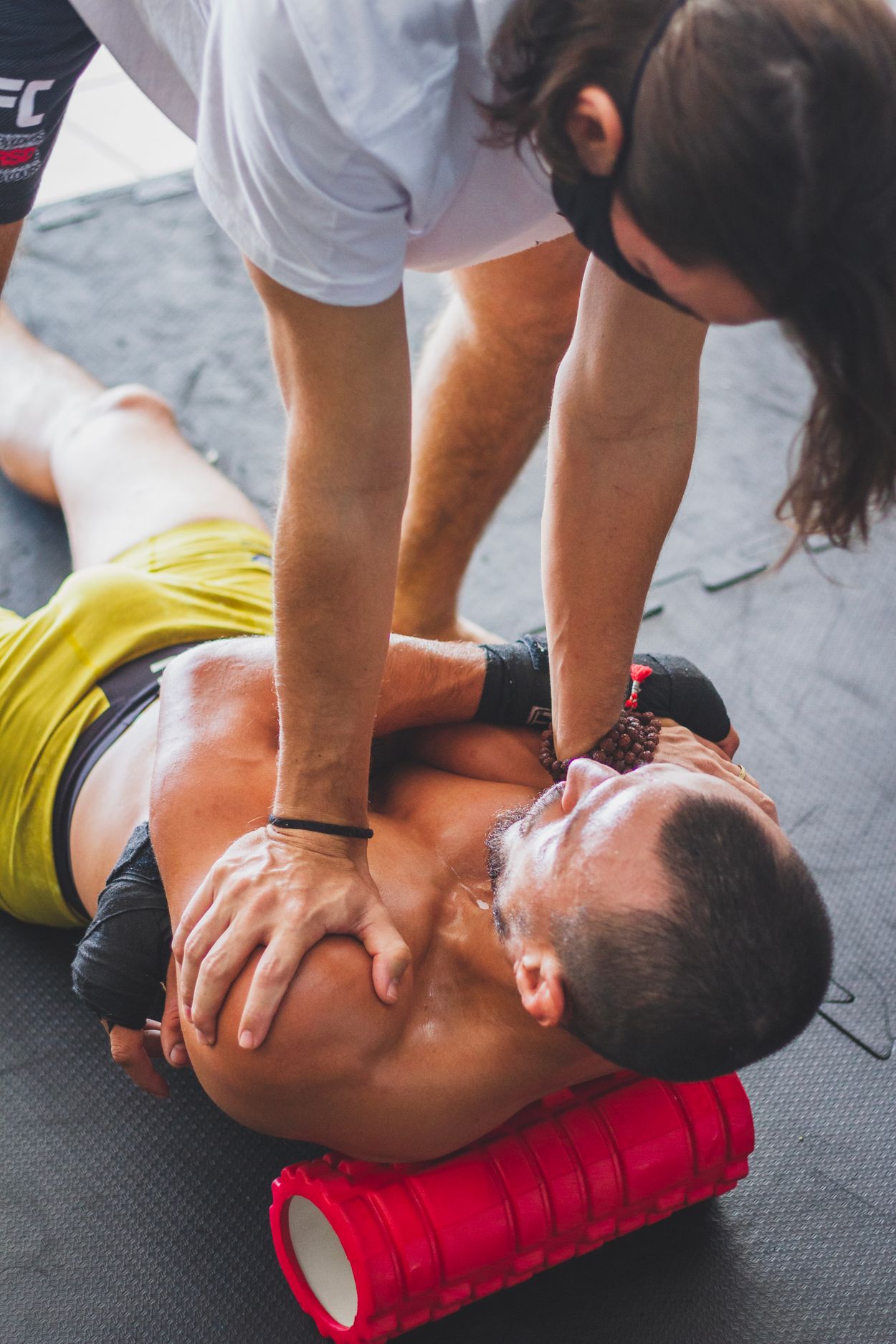
Recovery starts with what happens between sessions. If meals are irregular, sleep is repeatedly cut short and training keeps getting harder, an ice bath or sauna cannot reliably make up the difference.
Protect sleep time
Plan a bedtime that works with your next training session. Consider the full evening: travel, dinner, phone use and the time needed to settle down.
A recovery appointment that pushes bedtime later may be a poor trade. The Australian Institute of Sport's sleep guidance treats sleep as a central part of physical and psychological recovery.
If sleep problems persist, seek appropriate advice rather than continually changing temperature treatments or buying supplements.
Make eating easy after training
Plan a meal or snack you can actually obtain. Include familiar foods that help meet your energy needs, with carbohydrate and protein sources appropriate to your routine.
In Bangkok, that might mean arranging breakfast before a morning gym session or knowing where you will eat after an evening class. The exact dish matters less than having a workable, consistent plan.
The AIS nutrition modules explain why sufficient energy and training nutrition matter. Individual requirements vary; a sports dietitian can help with heavy training, dietary restrictions or persistent fueling difficulties.
Account for fluid losses
Hot conditions and sweaty sessions make access to drinks important. Hydration needs vary with activity, conditions and individual losses. Avoid treating a fixed number of litres as correct for everyone, and do not force excessive fluid intake.
If you have a condition requiring fluid restriction, follow your clinician's advice. Feeling unwell after heat exposure is a reason to stop and assess the situation, not automatically add a sauna.
Leave space for lower-load days
Rest is part of a training plan, not evidence of failure. A lighter day can include ordinary comfortable activity without becoming another hard workout.
Optional treatments can fit around these foundations if they are suitable and enjoyable. Use active recovery ideas or our treatment chooser to decide what, if anything, to add.
Frequently asked questions
Can an ice bath compensate for poor sleep?
No. It should not be treated as a replacement for adequate sleep.
Do I need a recovery supplement after every workout?
Not automatically. Review ordinary food intake and your individual needs before purchasing supplements.
Is a rest day wasted training time?
No. Planned rest and lower-load days can be part of a sustainable training programme.
Should I drink as much water as possible?
No. Needs vary, and excessive intake can be harmful. Use an appropriate hydration plan and individual medical advice where relevant.