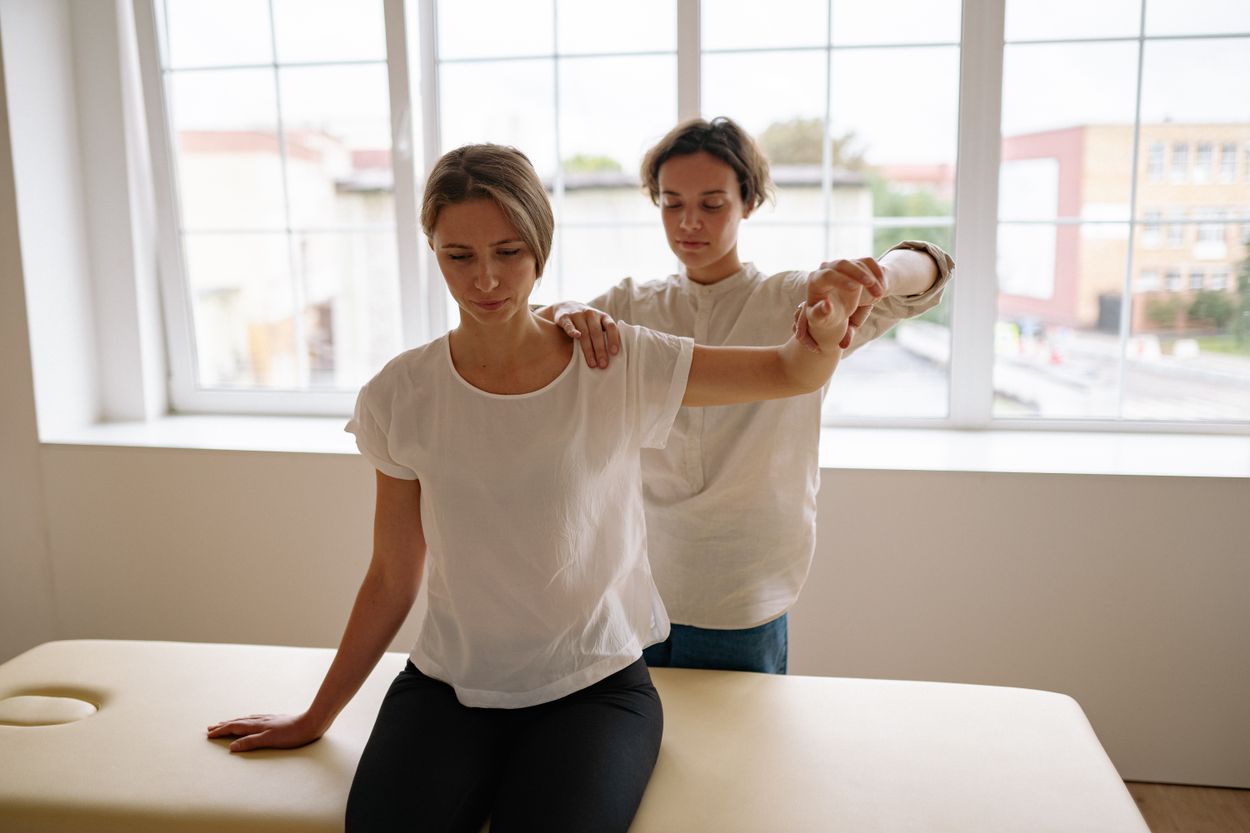
Choose between cupping and massage according to your goal, tolerance and the practitioner's assessment. Neither is an essential step after every workout, and neither should be used to explain away persistent pain.
What differs during treatment?
Massage uses hands or tools to apply movement and pressure to soft tissue. Cupping applies suction to the skin. Either may be offered within a longer appointment, but combining them does not automatically make a session more effective.
If avoiding visible marks matters to you, discuss this before cupping. If you dislike firm pressure, ask for a gentler massage instead of assuming sports massage must be painful.
What result are you looking for?
For relaxation, the experience and your preference matter. For recurring pain or reduced movement, an explanation of the problem and a plan for daily activity matter more than the technique's name.
The NCCIH cupping overview describes uncertain evidence, while its massage overview discusses benefits and limitations that vary by condition. Neither supports promising that one technique fixes every type of post-training discomfort.
A useful booking conversation
Explain where symptoms occur, when they started, whether there was an injury and what activities are limited. Ask what the practitioner proposes, why, and what would make them refer you for assessment.
You should be told about likely sensations, possible marks or soreness, and relevant precautions before treatment. Avoid choosing solely on promises of “breaking up toxins” or the claim that more pain means a better result.
Do not buy a package before you know whether you tolerate the service. You can decline a technique even when it is included in the price.
When to choose assessment first
Pain that persists, worsens, repeatedly interrupts training or follows a significant injury deserves evaluation. A temporary improvement after either treatment does not establish that the underlying problem is resolved.
For local booking questions, see cupping in Bangkok and sports massage or physiotherapy. If you choose massage, agree on comfortable pressure before the session begins.
Frequently asked questions
Is cupping better than massage for soreness?
There is no reliable universal ranking. Match the choice to your goal, suitability and response.
Can I have both in one visit?
Some practitioners offer both, but combination treatment is not automatically necessary or better.
Does deeper massage mean better recovery?
No. Pressure should be tolerable and appropriate, not a test of endurance.
Which should I choose for recurring pain?
Start with assessment when pain keeps returning or limits activity, rather than repeatedly switching passive treatments.