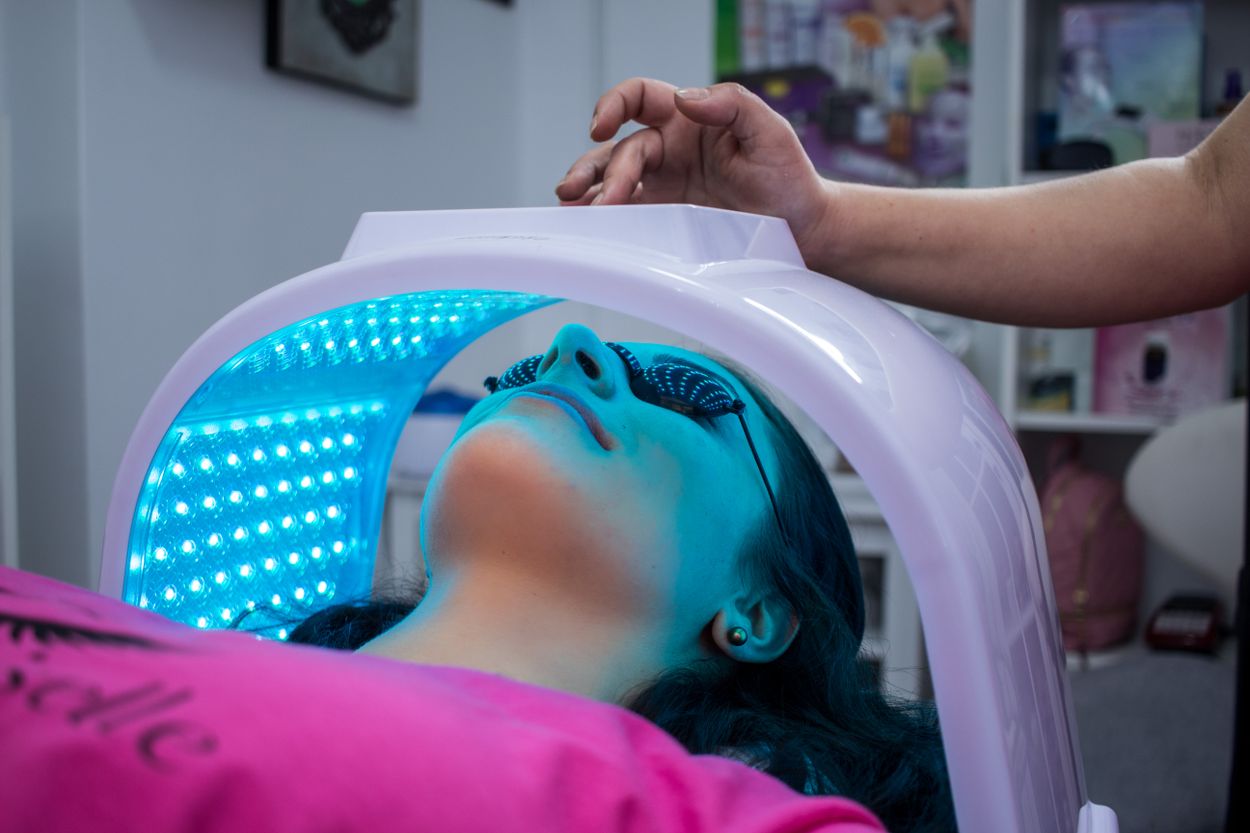
There is no single red light therapy schedule that fits every device. Ten minutes with one system is not interchangeable with ten minutes under another, and standing closer is not automatically better.
The settings to ask about
A useful provider should be able to identify the device and explain its operating instructions. Ask about:
- The wavelengths used and the intended treatment area.
- The recommended distance or contact position.
- Exposure time for that device and purpose.
- Eye precautions and relevant contraindications.
- How often sessions are proposed and when the plan will be reviewed.
You do not need to calculate a clinical protocol yourself. You do need more information than the number of LEDs or the electrical power printed on a sales page.
Why distance changes the comparison
Distance, beam geometry and the size of the treated area affect exposure. A whole-body panel and a small contact applicator are different setups. Advice from someone using another device may therefore be inappropriate for your session.
Ask staff to set the position rather than improvising to get the “strongest” experience. Follow instructions about clothing, skin products and eye protection that belong to the actual model.
Can you do too much?
More time is not a reliable shortcut to a better result. Do not extend sessions or combine several devices simply because you cannot feel an effect. Report unexpected skin discomfort or eye symptoms and stop the session if symptoms develop.
The recovery research does not establish one universal consumer routine. Manufacturer instructions are essential for device operation, but a manufacturer's marketing claim is not independent proof of a health benefit.
Comparing Bangkok appointments
Separate booking length from exposure time. A 20-minute appointment may include changing and positioning. Ask whether the quoted price covers one area or the whole session, and whether staff remain available.
Before purchasing a multi-session package, request the proposed frequency, expiry date and review point in writing. A sensible plan also explains what happens if you do not tolerate the device or notice no useful benefit.
Use the Bangkok provider guide and eye-protection questions together when booking.
Frequently asked questions
Is 20 minutes always better than 10 minutes?
No. Appropriate exposure depends on the device and its instructions, not time alone.
Should I stand as close as possible?
No. Use the distance specified for the actual device and application.
Can I use it every day?
Do not assume daily use is appropriate. Check the device guidance and the rationale for your proposed schedule.
Does a higher wattage mean better recovery?
Electrical wattage alone does not describe the light exposure reaching the target or establish a better outcome.