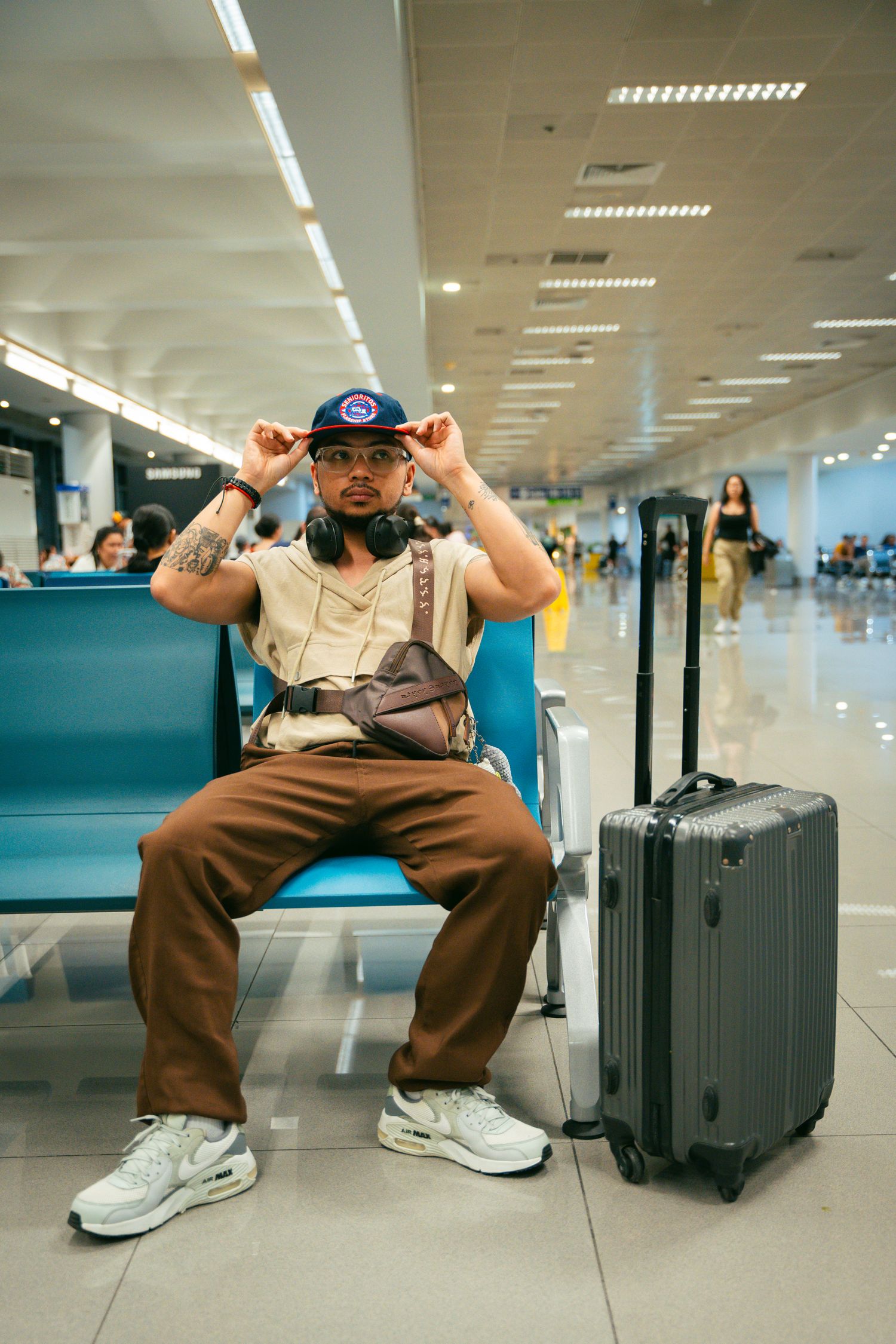
Bangkok sits on UTC+7 all year, with no daylight saving. That puts it six or seven hours ahead of the UK, five or six ahead of most of continental Europe, and roughly eleven to fifteen hours away from the US depending on the coast and season. Jet lag in Bangkok is therefore almost guaranteed for long-haul visitors, and it often arrives alongside heat, humidity and a full schedule.
Find the right next step for sleep
Start with your symptoms; suspected apnoea and ongoing insomnia warrant clinical assessment.
The good news is that your body clock responds predictably to light, sleep timing and caffeine. This guide sets out a practical plan for the first few days, explains which recovery sessions help and which can wait, and flags symptoms that are not jet lag at all. For more on sleep and recovery services, see our sleep hub.
Eastbound vs westbound: how jet lag in Bangkok plays out
Your internal clock naturally runs slightly longer than 24 hours, which makes it easier to stay up later (a delay) than to fall asleep earlier (an advance). According to the US Centers for Disease Control and Prevention (CDC), travellers adjust on average by about 1.5 hours a day after flying west, but only about one hour a day after flying east.
What that means for Bangkok:
| Coming from | Time difference | What your clock needs to do | Rough adjustment time |
|---|---|---|---|
| UK, Ireland, Portugal | +6 to +7 hours | Advance (eastbound) | About a week for full adjustment |
| Central Europe | +5 to +6 hours | Advance (eastbound) | Five to six days |
| Middle East | +3 to +4 hours | Advance (eastbound) | A few days |
| US East Coast | About 11 to 12 hours | Either direction; many people shift later | Around a week or more |
| US West Coast | About 14 to 15 hours | Usually easier to delay | Around a week or more |
These are averages, and everyone differs. Arriving from Europe, the classic problem is lying awake at 1 am Bangkok time and struggling to get up in the morning. From the US, it is more often waking very early and fading in the afternoon.
You do not need to be fully adjusted to enjoy a trip. But if you have important meetings, a race or a medical appointment, build in a buffer.
Light exposure plan
Light is the strongest signal for resetting your body clock, which is why most useful jet lag tips for Thailand start here. Light exposure for jet lag works by timing, not quantity: the same daylight can push your clock in the right or wrong direction depending on when you get it.
The CDC's guidance summarises the principle: morning light advances the clock (useful after flying east), while evening light delays it (useful after flying west). The precise best time depends on how many time zones you have crossed.
Arriving from Europe
- Get outdoor light in the late morning and around midday for the first few days. Bangkok's daylight is strong even when cloudy, so 20 to 30 minutes outside, in the shade if needed, is enough.
- Keep evenings dim. Lower the lights in your room, avoid bright screens late, and wear an eye mask.
- Shift gradually earlier. As you adjust, start getting light earlier in the morning.
Arriving from the US
- Seek light in the afternoon and early evening in the first days, which helps you stay awake until a sensible local bedtime.
- Avoid very early bright light if you wake at 4 or 5 am. Keep the curtains closed and rest until a reasonable hour.
For very large time differences, some people find it helpful to use a jet lag calculator or ask a travel medicine doctor for a personalised light schedule.
Naps, caffeine and alcohol
Naps
Sleep after a long flight is often patchy, and an afternoon crash is common. The CDC suggests short naps of about 20 to 30 minutes can help you stay alert during the local day, while longer naps may interfere with night-time sleep. Set an alarm, and avoid napping late in the afternoon.
Caffeine
Coffee can help you get through the first local days, but it has a half-life of about five hours, so late-afternoon cups may keep you awake. Use caffeine in the morning and early afternoon, then stop.
Alcohol
A welcome drink at a rooftop bar is tempting, but the CDC notes that alcohol tends to fragment sleep and adds to dehydration. Keep it modest for the first two or three nights.
Hydration and heat
Long flights and Bangkok's humidity are a dehydrating combination. Drink water regularly, use oral rehydration salts if you are sweating heavily, and eat light, regular meals at local times. Most people do not need an IV for this. Our guide to hangover and hydration drips explains when a drip makes sense and when oral fluids are enough.

Recovery sessions on day one: yes or no?
It is tempting to book a full recovery day on arrival. Some sessions fit; others are better left until you have slept.
| Session | Day one? | Notes |
|---|---|---|
| Gentle walk outdoors | Yes | Gives you daylight and movement at the right time |
| Swim or light gym session | Yes | Keep it easy; avoid hard training until you have slept |
| Thai or gentle oil massage | Usually yes | Relaxing; avoid very deep pressure if legs are swollen or sore |
| Sauna | Cautious | Heat plus dehydration can cause dizziness; keep it short and drink first |
| Ice bath or cold plunge | Cautious | Strong stimulus; may make sleep harder if done late in the day |
| Hard workout, long run | Better day two or later | Fatigue and dehydration raise injury and heat-illness risk |
Our article on recovery after a long flight goes into more detail on movement and circulation after flying. If you are new to recovery venues, see our guide to your first recovery session in Bangkok.
When symptoms aren't jet lag
Jet lag causes poor sleep, daytime sleepiness, low mood, poor concentration and sometimes digestive upset. It should steadily improve over several days. Seek medical advice if you notice:
- Calf pain, swelling, warmth or redness in one leg. These can be signs of a blood clot (deep vein thrombosis). The CDC notes that most travel-related clots appear within the first one to two weeks after a long flight.
- Sudden breathlessness, chest pain that worsens when you breathe, coughing blood or fainting. These can indicate a clot in the lungs and need emergency care. In Thailand, call 1669.
- Fever, rash, severe headache or persistent vomiting or diarrhoea. These suggest an infection or other illness, not jet lag.
- Confusion, extreme fatigue or very dark urine after time in the heat, which can point to heat illness or dehydration.
- Symptoms that do not improve after a week or two, particularly persistent insomnia. Our guide to insomnia help in Bangkok covers next steps.
If you have a history of clots, recent surgery, pregnancy or other risk factors, speak to a doctor before flying about prevention.
Frequently asked questions
Should I take melatonin?
Melatonin can help some travellers shift their body clock, but timing matters and taking it at the wrong time can make things worse. Ask a doctor or pharmacist whether it suits you, especially if you take other medicines. Note that Thailand's Food and Drug Administration does not allow melatonin in foods or supplements and has said melatonin medicines should be used under a doctor's guidance, so buy it only through proper channels.
Is a massage on arrival a good idea?
A gentle massage can be relaxing and help you wind down, which many people find useful on the first evening. Choose moderate pressure, and avoid deep work on a calf that is painful or swollen, which needs a medical check instead.
How can I sleep on the plane?
Try to sleep during the flight hours that match night-time in Bangkok, use an eye mask and earplugs, and limit alcohol. Get up and walk regularly on long flights to support circulation.
Should I stay up all day after an overnight arrival?
A short nap is fine, but staying awake until a reasonable local bedtime usually helps you adjust faster. Spend part of the afternoon outdoors to help.
Related guides
- Sleep and recovery services
- Recovery after a long flight
- Hangover and hydration drips
- Your first recovery session in Bangkok
- Sleeping well in Bangkok's heat
This guide is general information, not medical advice. Prices and services change; confirm details directly with the provider. See our editorial methodology and medical disclaimer.
Sources (checked October 2026)
- CDC Yellow Book: Jet lag disorder
- CDC Yellow Book: Deep vein thrombosis and pulmonary embolism
- ChemLinked: Thailand prohibits the use of melatonin in food products (2020)
- Expatica: Thailand emergency numbers
What do you want to compare next?
Choose the question that matters most. Each option opens a relevant practical guide — no account or form required.
Independent guidance, not a diagnosis or confirmed booking.